A living museum: The cultural and natural wonders of West Azarbaijan province
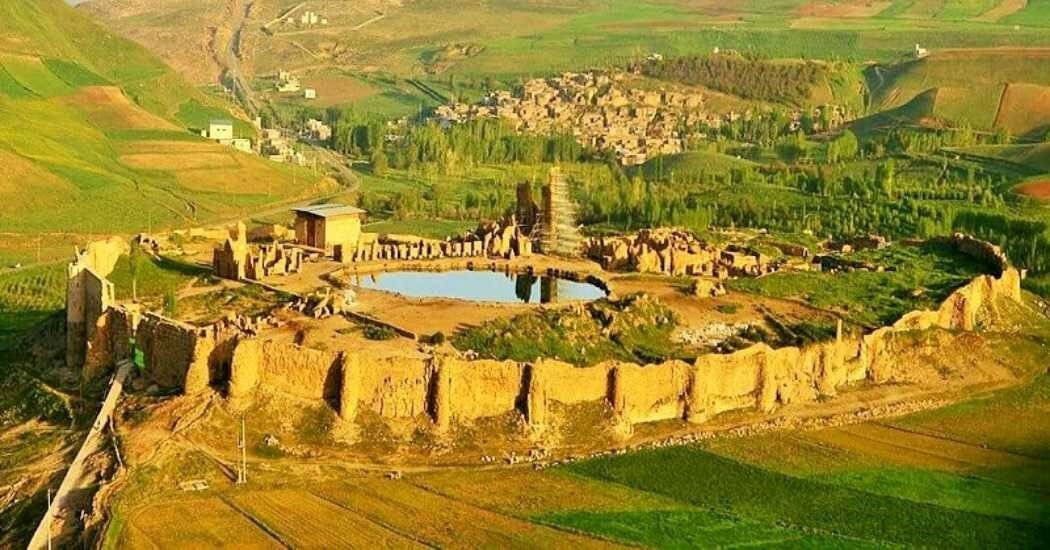
Situated in the northwest of Iran, West Azarbaijan province is a region where history, culture, and nature converge to create one of the country’s most compelling tourist destinations. Bordering several countries and shaped by centuries of interaction among civilizations, the province has long served as a crossroads of cultural exchange and human settlement.
At the heart of the province lies Urmia, a vibrant city that reflects both modern life and deep historical roots. Beyond its urban centers, however, the province reveals a rich archaeological landscape. Excavations at sites such as Hasanlu, Kul Tepe Selmas, and Qalaichi Bukan, along with numerous other ancient mounds, offer valuable insights into early civilizations. These sites bear witness to the presence of powerful cultures such as the Urartians, Mannaeans, Assyrians, and Persians, making the region a cradle of civilization during the first millennium BCE.
The province’s historical narrative is further enriched by remains from later periods. Intricately carved inscriptions from the Sassanid era and the ruins of fire temples associated with Zoroastrianism illustrate the enduring spiritual and cultural traditions of the region. Together, these elements transform West Azarbaijan into a living museum, where layers of conquest, belief, and artistic expression are preserved in stone.
Among the most significant cultural landmarks are two UNESCO-listed sites that attract visitors and pilgrims alike. The Qara Kelisa, also known as the Monastery of Saint Thaddeus, holds immense importance for Christians worldwide. Believed to be the burial site of one of the apostles of Jesus Christ, the monastery is distinguished by its unique architecture, combining early black stone construction with later white limestone additions. Each year, it hosts the “Badarak” ritual, drawing pilgrims from across the globe and reinforcing its role as a center of spiritual continuity.
Equally remarkable is the Takht-e Soleyman complex, a site steeped in Sassanid history and legend. Known in ancient times as Shiz or Ganjak, it once housed one of the most important fire temples of Zoroastrianism. Today, its ruins—set around a mysterious lake—continue to captivate visitors, offering a glimpse into the grandeur of pre-Islamic Iran and the architectural ingenuity of the Sassanid period.
Beyond its cultural heritage, West Azarbaijan is equally renowned for its diverse and striking natural landscapes. The province experiences four distinct seasons, creating a dynamic environment where lush green plains give way to snow-covered mountains in winter. Abundant rainfall has formed numerous rivers, springs, and wetlands, many of which are recognized under the Ramsar Convention for their ecological importance.
At the center of this natural richness lies Lake Urmia, the largest inland lake in Iran. Despite environmental challenges in recent years, the lake remains a vital habitat for migratory birds and wildlife. Species such as rams, wild goats, wolves, and even the rare Iranian yellow deer, found on Ashk Island, highlight the biodiversity of the region and the importance of conservation efforts.
The province’s natural attractions extend beyond the lake. Scenic orchards of apples and grapes contribute to the rural charm, while the Shlamash Waterfall in Sardasht offers a dramatic display of cascading waterfall amid forested surroundings. Dense woodlands around Sardasht and Piranshahr further enhance the appeal for nature enthusiasts, hikers, and eco-tourists.
West Azarbaijan’s appeal lies in its versatility as a destination for all seasons. In spring and summer, visitors can explore archaeological sites and enjoy the region’s greenery, while autumn brings vibrant colors to its landscapes. Winter, with its snow-covered terrain, offers a different but equally captivating experience.
AM
Leave a Comment